The Wolf Problem in Poland: An Unseen Crisis
An incident in Poland reveals a growing conflict between protected wolves, hunters, and rural communities. Discover the real story behind the headlines.

Ambulo
Poland's Wolf Problem: What's Really Happening?
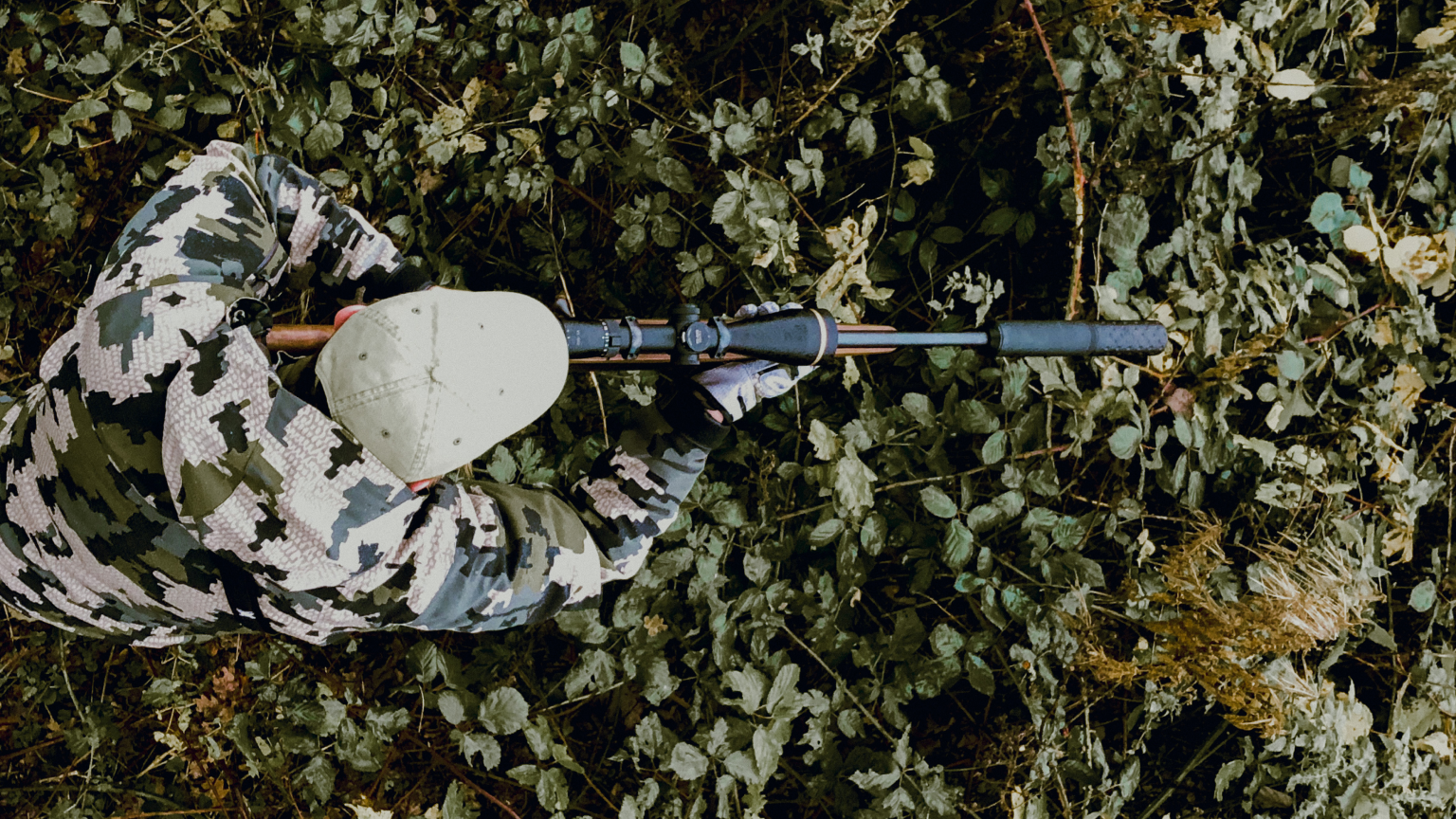
A few years ago, a group of us were on a driven hunt in West Pomerania, Poland. The plan was to manage populations of wild boar, fox, and red deer. But the day took an unexpected turn. A wolf appeared, and in a tense moment, it was shot by one of the guys in our group. What followed was a storm.
A Flashpoint in the Polish Countryside
The hunters involved were taken by the police for interrogation. This was a standard procedure, but one that spiralled. Three years later, their firearms are still seized. Anti hunting groups and left wing media outlets ignited a firestorm, filling headlines with strongly worded, often misleading, comments about the incident. They framed "self defence" in quotation marks, casting doubt on the hunters' account.
This incident is not just an isolated story. It is a flashpoint in a much larger, more complex issue brewing in the Polish countryside. While urban media outlets paint a picture of trigger happy hunters, farmers and rural inhabitants are living a different reality. The wolf population, free from any management, is growing, and the consequences are becoming impossible to ignore.
The Heart of the Conflict
At the centre of this story is a legal battle that has dragged on for years. Despite autopsies from vets and expert testimony supporting the hunters' claims of self defence, the case remains unresolved. The firearms, essential tools for their livelihood and passion, are still locked away by the Polish police. This legal limbo highlights a deep divide between urban perception and rural reality.
For those on the ground, the situation is dire. Farmers are watching their livestock get decimated. Pet owners live in fear. The very balance of the ecosystem is under threat as uncontrolled wolf populations put immense pressure on wild game like deer and boar. This is not a fairy tale. It is a daily struggle for people whose lives and livelihoods are intertwined with the land.
The narrative spun by anti hunting groups often fails to capture this reality. They portray the wolf as a sacred, untouchable symbol of the wild. While the wolf is a magnificent predator, its protection has become so absolute that it is causing significant harm. The debate has become polarised, leaving little room for a sensible, balanced conversation about conservation and management.
A Question of Ethics and Mercy
This situation brings up a difficult but necessary conversation about the role of hunters in conservation. For many, hunting is seen through a narrow lens of sport and killing. But for those who live and breathe the outdoors, it is about stewardship. It is about maintaining a healthy, balanced ecosystem.
I recall an experience on a safari in South Africa that crystallises this ethical responsibility. Our group came across a waterbuck bull in clear agony, stumbling through the bush. He was dying, slowly and painfully. The ethical code of a hunter is to prevent suffering, to ensure a quick and clean end. Leaving him to his fate felt like a betrayal of that principle. A single, merciful shot ended his torment. We later discovered he had been bitten by a snake. Our intervention had simply brought a humane end to an inevitable, painful death. Read the full story of the waterbuck conundrum.
This is the side of hunting that rarely makes headlines. It is not about the thrill. It is about a deep respect for wildlife and making difficult, compassionate decisions. The hunter's role is often to be a reluctant instrument of mercy, stepping in when nature's course becomes needlessly cruel. The incident in Poland, where a hunter acted to protect himself, stems from this same world of complex, split second decisions that those unfamiliar with the wild cannot easily understand.
The Unchecked Predator
The core of the problem in Poland is the lack of any management plan for a booming predator population. Wolves are a protected species, and their numbers have grown without check. This has led to a cascade of negative effects.
Farmers are reporting increasing attacks on sheep, cattle, and even farm dogs. Rural communities are finding their pets, animals that are part of the family, disappearing from their own gardens. The unchecked growth of wolf packs is devastating populations of red deer, roe deer, and wild boar. This not only impacts the biodiversity of the region but also affects the hunting that is crucial for managing these species.
As wolves lose their fear of humans and associate them with easy food sources like livestock, the risk of dangerous encounters increases. The self defence incident is a stark warning of what happens when these conflicts escalate. The current approach is simply not working. It is creating a sad state of affairs where the very people living in the countryside are being ignored. Their experiences and losses are dismissed in favour of an idealised, romanticised view of nature that does not align with reality.
Finding a Path Forward
The situation in Poland is a clear example of what happens when conservation policy is driven by emotion rather than science and on the ground experience. A balanced approach is desperately needed. This means acknowledging that predators, like any other species, require management to ensure healthy ecosystems and minimise conflict with human populations.
Hunters, far from being the enemy, are a vital part of the solution. They possess the skills, knowledge, and vested interest to help manage wildlife populations effectively. It is time to move past the divisive rhetoric and start a genuine dialogue. We need solutions that respect both the wolf's place in the wild and the safety and livelihoods of the people who share the landscape with them.
The story of the hunters in West Pomerania is a cautionary tale. It shows how quickly a situation can be distorted and how the legal system can be weaponised by ideological groups. Three years on, they are still waiting for justice, their lives put on hold. Their case underscores the urgent need for a more pragmatic and balanced approach to wildlife management in Poland and across Europe. It is time for policymakers to listen to the experts and the people on the ground before this problem spirals even further out of control.
For a wider look at rewilding and predator reintroduction across Europe, read why Europe needs both rewilding and hunting. For the broader debate on wildlife management, see how wild boar are testing Europe’s approach. If you’re planning a hunt in Poland, sort your firearms permit with Ambulo and check our essentials checklist.